Bark & Sole - Medical Custom Dog Shoes

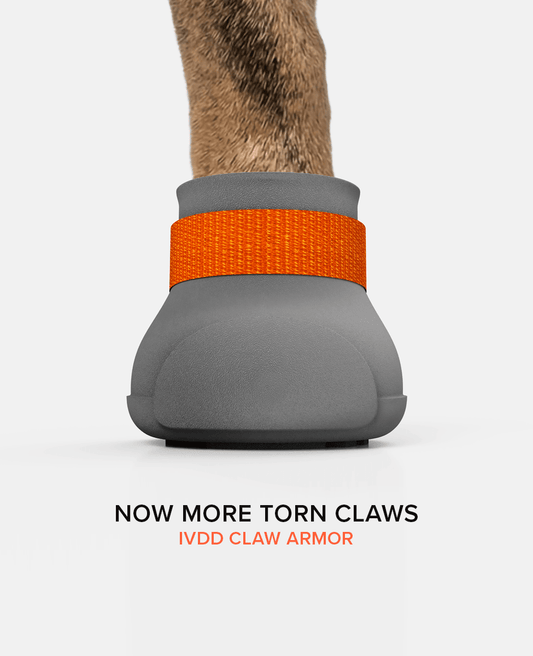
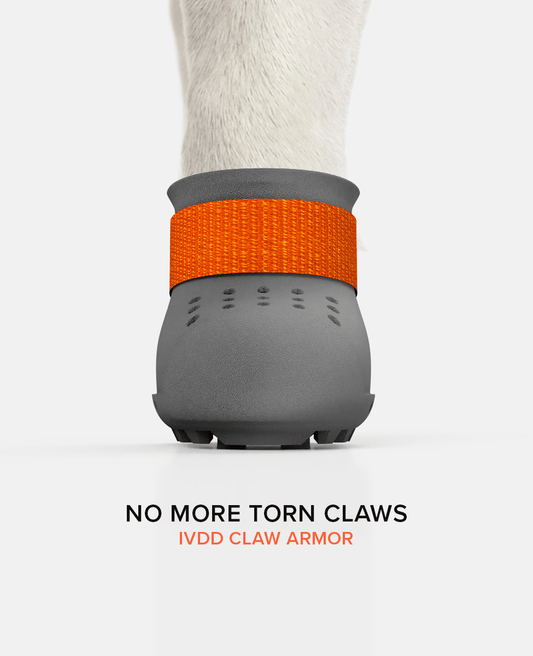
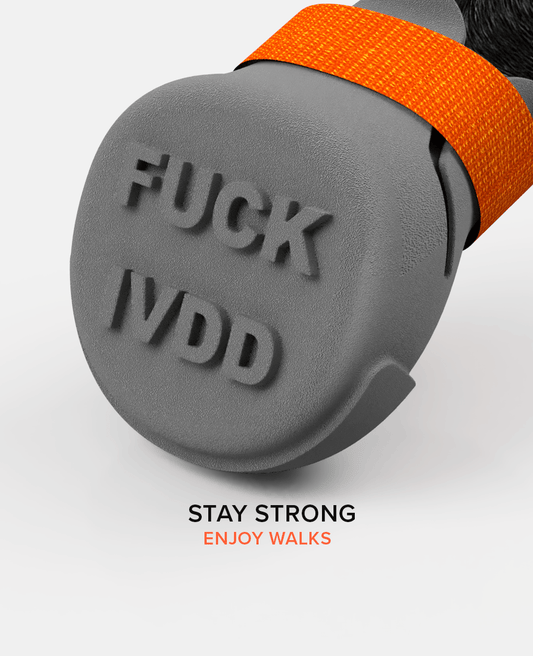
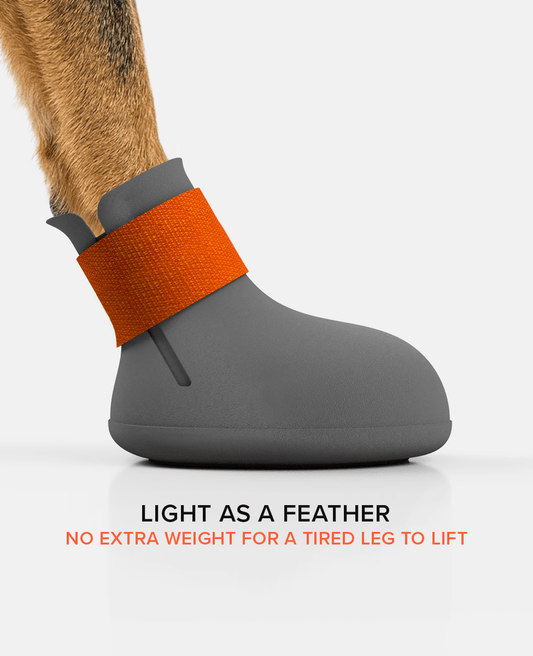
BARK & SOLE orthopedic dog shoes are reducing secondary injuries in paw-compromised dogs. Whether facing neurological challenges, IVDD, or weakened muscles and joints due to aging, each dog has different requirements but shares a common goal: protecting their paws, claws, and knuckles from hard surfaces.

CUSTOMER REVIEW

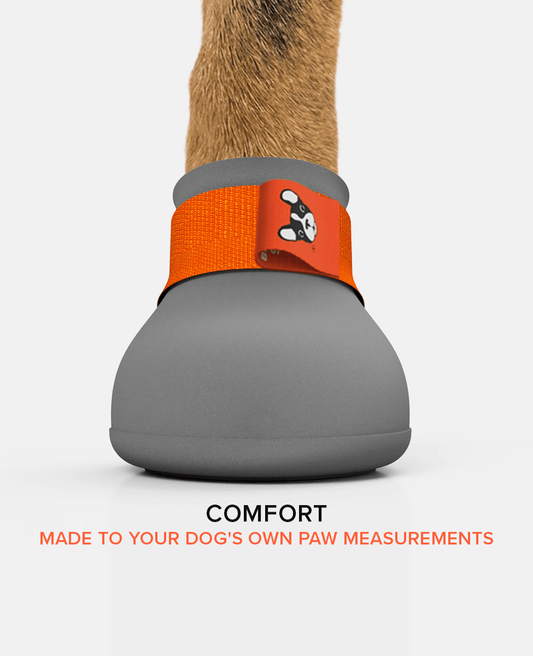
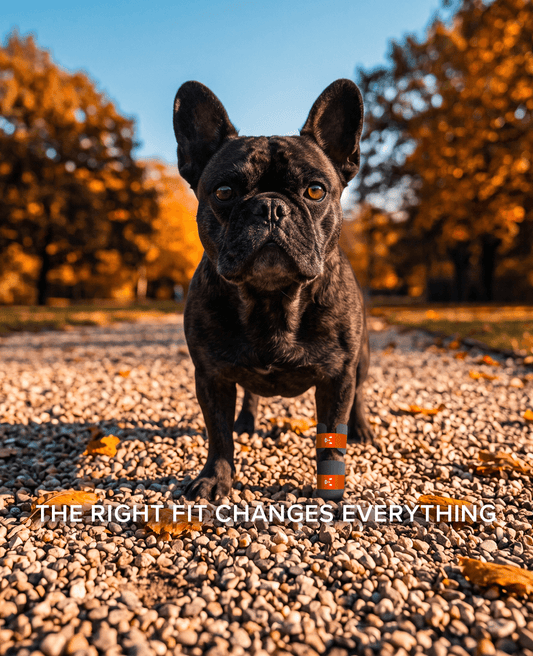
At last, shoes that stay on! These shoes don’t budge mid-walk, and my Frenchie seems totally comfortable in them, which is a win!

Olivia Davies, USA

Why Bark & Sole Shoes Stay On?

Tired of dog shoes that twist, chafe, and constantly fall off? At Bark & Sole, we eliminate the frustration by custom-making every shoe based on your dog's breed, gait, paw shape, and size.

  • BARK & SOLE custom dog shoes are precision fitted to individual paw measurements
  • BARK & SOLE custom dog shoes stay on due to precision fitting
  • BARK & SOLE custom dog shoes are made to each dog breed

FREQUENTLY ASKED QUESTIONS

Collapsible content

What are the steps to getting my custom shoes?

1. ORDER
Start with order. Input your dog’s breed and the required paw information.

2. CHECK YOUR EMAIL
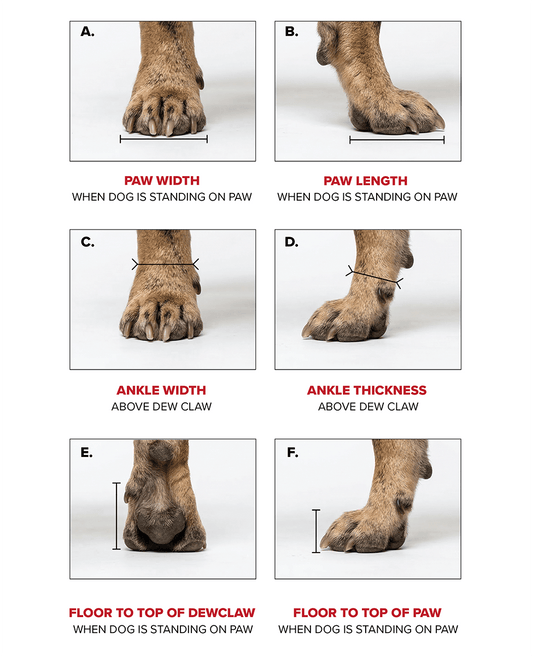
We will email you with instructions on how to provide the five required measurements. Please submit them within one week.

3. RECEIVE
In 2–3 weeks, your dog’s custom shoes arrive — perfectly fitted and built to stay on.

Should you have any questions, please do not hesitate to reach out

Can you guarantee the shoes will stay on?

Yes. The key to shoes that stay on is accurate measurements. When your dog’s paw dimensions are correct, we can craft a perfect, secure fit.

Before we begin production, we verify that your measurements align with breed-specific averages. As part of our process, we’ll send you an email to confirm these details—because precision matters.

Every dog’s paws are unique, even within the same breed. That’s why creating the perfect fit is both a science and an art—and where BARK & SOLE stands out.

With our custom-made design, your dog has the best possible chance of getting shoes that fit comfortably and stay securely on through walks, play, and adventures.

And if you ever need help, we’re here for you. Together, we’ll make sure your dog enjoys every step with confidence and comfort.

Which dog breeds are BARK & SOLE shoes made for?

We first started by making shoes for French Bulldogs, but today we craft custom shoes for almost all small and medium-sized dog breeds.

If your dog’s breed isn’t listed in the drop-down menu at checkout, please reach out to us through our contact form — we’re happy to help.

Why don’t you make shoes longer than 2.75 inches (70 mm)?

At the moment, we don’t offer longer shoes as part of our standard selection. Longer paws require more complex tailoring, and larger shoes are more material-intensive, making production costs about 1,5-5 times higher than our regular price.

If your dog has longer paws, please contact us through our contact form — we’ll be happy to explore a custom solution together.

Can I send a 3D scan of my dog's paw?

Yes. If you prefer to skip manual measurements, you can send us a 3D paw scan or file. It allows us to craft an even more precise and perfectly fitting shoe for your dog.

What is the expected lifespan of the shoes?

Our shoes wear similarly to Crocs or sneakers — durable for everyday use, but they will gradually show wear depending on how active your dog is and the surfaces they walk on.

How and why are custom shoes better than traditional dog shoes?

1. They Match Your Dog’s Paw Shape
Traditional dog shoes follow a generic design, but every breed has unique paw shapes:

a) Oval, longer than wide (Hare-type paw)
b) Round, nearly equal in length and width (Cat-type paw)
c) Oval, wider than long (Broad-type paw)

2. They Fit Perfectly
Most dog shoes follow a "one-size-fits-all" model with limited sizing options. Custom-made shoes are designed specifically to your dog’s exact paw measurements. Did you know that hind paws are typically 15-20% smaller than front paws—so buying the same size for both fore and hind legs won’t work!

3. They Account for Breed-Specific Paw Features
Did you know that dew claws and carpal pads are positioned differently depending on the breed? Custom dog shoes consider these unique features, ensuring a better fit and improved stability.

4. They Are More Comfortable
Comfort is key—especially for stubborn dogs who refuse to wear shoes! A well-fitted shoe increases the chance your dog will actually wear them. The more comfortable, the less resistance you’ll face when putting them on.

5. They Are More Sustainable
Did you know that 70% of dog shoes go unused because they don’t fit properly? What a waste of resources! The biggest issues:

a) Wrong shoe shape = too tight or too loose
b) Incorrect size = uncomfortable fit
c) Poor breed fit = fastening straps in the wrong position

With custom-made shoes, you get the right shape, size, and design—ensuring your pup actually wears them instead of rejecting them.

Dog Paw Knuckling: What Every Dog Owner Needs to Know

Introduction

If your dog is walking on the tops of their paws or dragging their feet, they may be experiencing paw knuckling. This condition, especially common in older dogs, can be a sign of underlying neurological or spinal issues. Understanding knuckling in dogs and its causes can help you take the right steps to manage and support your furry friend.

What Is Paw Knuckling in Dogs?

Paw knuckling occurs when a dog’s front or hind paws curl under while walking, causing them to step on the tops of their paws instead of their pads. This abnormal gait is often due to nerve communication issues between the brain, spine, and paws. Paw knuckling in older dogs is particularly concerning, as it may indicate degenerative conditions.

Common Causes of Knuckling in Dogs

1. Neurological Disorders
Damage to nerves can disrupt normal paw function, leading to knuckling.

2.Spinal Problems
Herniated discs, spinal stenosis, or tumors may compress nerves, causing loss of coordination.

3. Degenerative Diseases
Conditions like degenerative myelopathy affect nerve function, making knuckling in older dogs more common.

4. Injuries
Trauma to the limbs or spine can lead to temporary or permanent knuckling.

5. Inflammation
Diseases like meningitis or encephalitis can impact nerve signaling, contributing to paw knuckling.

Signs to Watch For

1. Dragging paws on the ground
2. Scraped or injured paw tops from friction
3. Unsteady or shaky walking
4. Hesitation to walk, climb stairs, or jump

How Protective Dog Shoes Help Dogs with Paw Knuckling

For dogs struggling with knuckling, specially designed protective dog shoes can offer comfort, stability, and paw protection. These shoes:
1. Prevent abrasions from dragging paws
2. Support paw positioning for better movement
3. Improve traction on slippery surfaces
4. Reduce discomfort while walking

If your dog is knuckling due to a medical condition, investing in custom-fit dog shoes can make a huge difference in their mobility and overall happiness.

Early Detection Is Key!

Spotting paw knuckling in dogs early allows for better management through medication, therapy, surgery, or supportive gear like dog shoes. If you notice signs of knuckling, consult your vet to create the best care plan for your pup.

Final Thoughts

Knuckling in dogs can be challenging, but with proper veterinary care and supportive solutions like protective dog shoes, your pup can stay active and comfortable. Keep an eye on their mobility, and don’t hesitate to take action if you notice changes!